
Magnesium
Hidden Herbicides: What Recent Bread Testing Reveals About Glyphosate Exposure
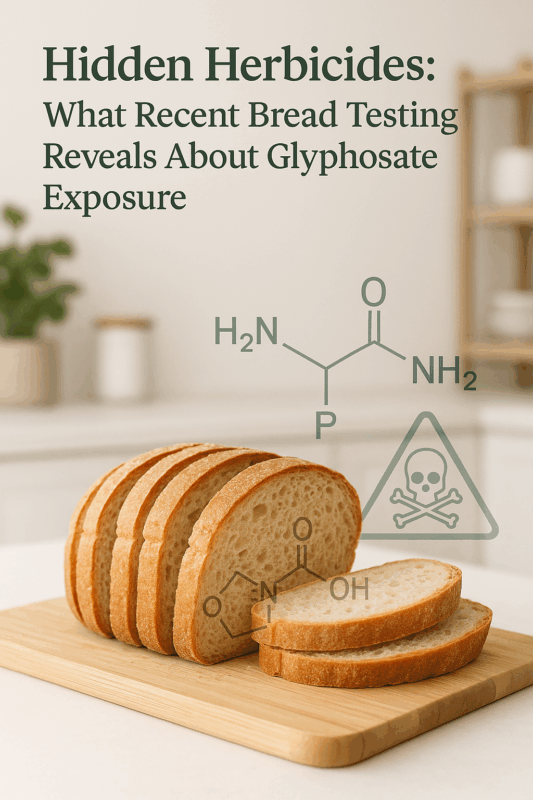
Hidden Herbicides: What Recent Bread Testing Reveals About Glyphosate Exposure
Many people reach for sliced bread believing it to be a simple, safe staple. Yet recent testing in Florida has raised new concerns about what might be hiding in everyday loaves: glyphosate, a widely used weed killer that can linger in food.
What Is Glyphosate and Why Is It in Our Food?
Glyphosate is a broad-spectrum herbicide commonly applied to fields to control weeds around crops such as wheat, oats, soy, and corn. It is prized by industrial agriculture because it allows large fields to be managed efficiently with less manual labor.
The concern is that glyphosate does not always disappear by the time crops are harvested. When grains are processed into flour and then into bread, residues can remain in the final product. Over time, small daily exposures from multiple foods can add up.
Florida Testing Sheds Light on Bread Contamination
In response to growing public interest, Florida health authorities conducted laboratory tests on several popular bread brands available on supermarket shelves. The aim was simple: determine whether glyphosate was present, and if so, at what levels.
The analysis found measurable glyphosate residues in multiple brands, including well-known names such as Sara Lee and Nature’s Own. Some samples showed levels significantly higher than what many consumers would expect in a basic pantry item. While different regulatory bodies debate exact safety thresholds, the presence of a controversial herbicide in everyday bread is troubling for people seeking a cleaner diet.
Why Glyphosate Is Controversial
Glyphosate has become one of the most hotly debated chemicals in modern agriculture. Regulatory agencies in various countries have reached different conclusions about its risk profile, particularly around long-term exposure.
Some research has linked glyphosate to potential disruptions in the gut microbiome, oxidative stress, and hormonal balance. International health organizations have also reviewed evidence suggesting a possible link between glyphosate exposure and certain cancers, especially when exposure is frequent or long-term. While studies continue and opinions differ, many holistic and natural health advocates recommend taking precautionary steps to minimize contact with this pesticide whenever possible.
How Glyphosate Ends Up in Bread
Glyphosate often reaches bread through two main agricultural practices:
- Pre-plant and in-season spraying: Fields are treated to suppress weeds before and during crop growth.
- Pre-harvest desiccation: In some regions and crop systems, glyphosate is used shortly before harvest to dry down grains more quickly and uniformly.
Both methods can leave residues on or within the plant. Once the harvested grain is milled and baked, those residues may remain in the finished loaf.
The Cumulative Effect of Daily Exposure
Most people do not consume glyphosate from bread alone. Traces can be found in breakfast cereals, snack foods, pasta, and even some plant-based protein products made from conventionally grown grains and legumes. While an individual serving might appear low, repeated daily intake from multiple sources creates a cumulative exposure that is difficult to measure and easy to underestimate.
This cumulative nature is part of what makes findings from bread testing so important: bread is a staple, eaten by adults and children alike, often multiple times a day.
Implications for Families and Health-Conscious Consumers
For households trying to reduce toxic load, the idea that sandwich bread may be a significant source of pesticide exposure is understandably unsettling. Parents in particular may be concerned about serving products with measurable herbicide residues to children whose bodies and detoxification systems are still developing.
From a naturopathic and natural wellness perspective, the goal is not panic but informed choice. Awareness of glyphosate in bread allows families to reassess their shopping habits and consider safer alternatives.
Strategies to Reduce Glyphosate in Your Daily Bread
While it may be impossible to avoid glyphosate entirely in a modern food system, there are realistic steps you can take to substantially cut exposure:
- Prioritize organic bread and grains: Certified organic standards prohibit the use of synthetic herbicides like glyphosate. Choosing organic loaves, flours, oats, and cereals is one of the most direct ways to lower intake.
- Explore sprouted and heritage grains: Smaller, quality-focused bakeries that use sprouted, einkorn, emmer, or other heritage grains often work with farmers who avoid intensive chemical programs. Check packaging or ask bakers about their sourcing.
- Bake at home when possible: Making your own bread from organic flour gives you more control. Even simple, minimal-ingredient recipes can help you sidestep many hidden additives and potential contaminants.
- Diversify your carbohydrates: Instead of relying solely on conventional wheat bread, incorporate organic root vegetables, pseudo-grains like organic quinoa and buckwheat, and naturally gluten-free options such as organic brown rice.
- Stay informed about brand testing: Independent labs and consumer groups periodically release new data on pesticide residues in popular products. Using this information can help you favor brands with cleaner results.
Supporting Detox and Resilience Naturally
In addition to minimizing exposures, many natural health practitioners recommend supporting the body’s own detoxification systems:
- Fiber-rich foods: Organic fruits, vegetables, legumes, and seeds support regular elimination and help bind certain toxins in the digestive tract.
- Liver-supportive herbs and foods: Ingredients such as milk thistle, dandelion root, artichokes, beets, and cruciferous vegetables nourish natural detox pathways.
- Healthy hydration: Clean, filtered water assists kidney function and overall toxin clearance.
- Robust gut health: Fermented foods and high-quality probiotics can help maintain a diverse microbiome, which may be more resilient to environmental stressors.
The Bigger Picture: Rethinking Our Food System
The presence of glyphosate in everyday bread is a symptom of a larger agricultural model that prioritizes large-scale chemical management over soil health and ecological balance. As more testing results emerge, consumers are increasingly calling for transparency, stricter residue limits, and stronger support for regenerative and organic farming methods.
Choosing cleaner bread is not just a personal health decision; it is also a way to signal demand for food grown with fewer synthetic chemicals. Over time, informed purchasing can help shift production toward practices that respect both human health and the environment.
Practical Takeaways
- Florida testing has detected glyphosate in multiple mainstream bread brands, including well-known household names.
- Although safety thresholds are debated, many people prefer a precautionary approach, especially for children and those with existing health concerns.
- Switching to organic and minimally processed grain products, baking at home, and varying carbohydrate sources can substantially reduce exposure.
By staying informed, reading labels carefully, and supporting brands that value clean ingredients and responsible farming, you can transform a simple loaf of bread from a source of concern into a more nourishing staple.
