
Diet
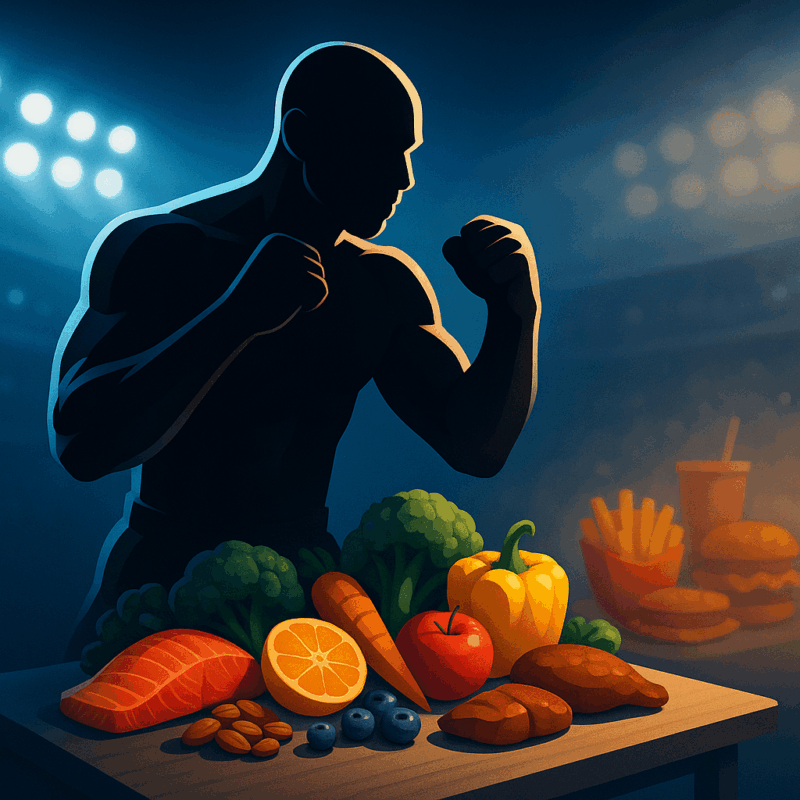
Mike Tyson’s Super Bowl Message: Why Real Food Still Matters
Listen to this article
Mike Tyson’s Super Bowl Message: Why Real Food Still Matters
When a global sports icon like Mike Tyson appears in a Super Bowl commercial, people pay attention. But this time, it’s not about boxing, betting apps, or sneakers. Tyson has stepped into a very different ring: the battle between ultra-processed products and real, nourishing food.
Backed by the MAHA Center, the “Eat Real Food” campaign uses Tyson’s unmistakable presence to spark a simple question during the year’s biggest advertising spectacle: What are we actually eating?
The Super Bowl: Prime Time for Processed Food
The Super Bowl is famous not just for football, but for food. Pizza, chips, wings, soda, and an endless parade of colorful snacks dominate living rooms across the country. Most of what’s on the coffee table, however, is a far cry from real, whole food.
Year after year, major food and beverage corporations pour millions into ads that glamorize ultra-processed products—items that often bear little resemblance to anything found in nature. In that sea of glossy commercials, a message about real food stands out like a lone farmer’s market stall in the middle of a shopping mall.
That contrast is exactly what makes the Tyson ad so powerful. At a time when most brands are pushing faster, sweeter, saltier, and cheaper, the campaign asks viewers to slow down and rethink what’s on their plates.
Why Mike Tyson Is a Surprising, Yet Fitting, Messenger
On paper, Mike Tyson might seem like an unexpected advocate for natural nutrition. He’s known for knockouts, not nutrition labels. But that’s precisely why this ad carries weight.
Tyson’s life has been a story of extremes—fame, fortune, controversy, loss, and reinvention. In recent years, he has spoken openly about changing his lifestyle, improving his health, and becoming more conscious of what he puts into his body. This evolution gives credibility to the idea that it’s never too late to rethink what we eat.
In the ad, instead of intimidating opponents, Tyson is confronting something far more pervasive: the dominance of heavily processed products in our daily lives. The idea is simple: if someone who spent decades pushing his physical limits can rethink his relationship with food, so can the rest of us.
What Does “Real Food” Actually Mean?
The phrase “Eat Real Food” can sound vague, but it boils down to a straightforward principle: choose foods as close to their natural form as possible. Real food is typically:
- Minimally processed – Think raw nuts instead of candy-coated trail mix.
- Recognizable – You know what it is just by looking at it: apples, carrots, oats, beans.
- Ingredient-sensible – Short ingredient lists that you can pronounce and would stock in a normal kitchen.
- Nutrient-dense – Rich in vitamins, minerals, healthy fats, protein, and fiber.
By contrast, ultra-processed products are built in factories, driven by flavor chemists and marketing teams. They often contain artificial colors, synthetic flavors, thickeners, stabilizers, and a long list of additives designed to extend shelf life and intensify taste—at the expense of real nourishment.
The Hidden Cost of Ultra-Processed Diets
Research over the last decade has repeatedly linked diets high in ultra-processed products to a range of health concerns. While ingredients differ from brand to brand, the pattern is consistent: the more processed the diet, the higher the risk markers for poor health outcomes.
Some of the issues associated with ultra-processed intake include:
- Weight gain and obesity – These foods are often engineered to be hyper-palatable, making it easy to overeat.
- Blood sugar imbalances – Refined carbohydrates and added sugars can drive spikes and crashes in energy.
- Digestive issues – Lack of fiber and reliance on synthetic additives may interfere with gut health.
- Nutrient gaps – Calories are abundant, but essential vitamins, minerals, and phytonutrients are often lacking.
Imagine fueling a high-performance sports car with cheap, contaminated fuel. It might run for a while—but over time, the engine will tell the story. Our bodies work the same way. Real food provides the “clean fuel” our systems were built to use.
The Marketing Machine vs. Your Dinner Plate
One of the subtle strengths of the Tyson Super Bowl ad is that it calls attention to an elephant in the room: the enormous influence of food marketing. Bright packaging, cartoon mascots, clever jingles, and limited-time flavors are designed to nudge us toward processed choices without much thought.
The message behind “Eat Real Food” isn’t about perfection. It’s about awareness. It encourages people to notice how much of what they eat comes from boxes, bags, and drive-through windows—and to recognize that this isn’t an accident, it’s a coordinated business strategy.
By inserting a real-food message into the Super Bowl—an event dominated by processed snack advertising—the campaign highlights the contrast and gives viewers permission to question what’s considered “normal” game-day fare.
Small, Realistic Shifts Toward Real Food
You don’t need a professional chef or a celebrity budget to act on Tyson’s message. Instead of overhauling everything at once, focus on simple, sustainable swaps that add up over time. For example:
- Replace sugary sodas with water infused with citrus, berries, or herbs.
- Trade flavored chips for a handful of raw or lightly roasted nuts and seeds.
- Serve homemade guacamole or hummus with sliced vegetables instead of ultra-processed dips.
- Choose plain yogurt and add your own fruit and spices instead of buying heavily sweetened versions.
- Keep a bowl of seasonal fruit visible on the counter for quick, nourishing snacks.
On game day or any gathering, you can still enjoy the ritual of snacking—just with ingredients that support your body instead of depleting it.
Beyond the Ad: Why Messages Like This Matter
Campaigns like the MAHA Center’s “Eat Real Food” spot matter because they help balance the conversation. For decades, the loudest voices in the food space have been those selling industrial, highly processed products. A high-visibility ad that champions natural, minimally processed foods gives a different perspective room to breathe.
At Naturessupplies, we see a growing number of people who are tired of feeling sluggish and out of balance. Many discover that simply shifting toward whole, natural ingredients can make a noticeable difference in energy, mood, and overall wellbeing. Tyson’s ad taps into that same awakening—reminding viewers that what we eat, day in and day out, is one of the most powerful health choices we make.
Bringing the Message Home
Whether you’re a boxing fan or you’ve never watched a single bout, Tyson’s new role as an advocate for real food has value beyond the spectacle of the Super Bowl. It invites every household to look into their pantry and fridge and ask a few honest questions:
- How many of these items would my great-grandparents recognize as food?
- Am I relying on convenience products more than I’d like to admit?
- What is one real-food upgrade I can make this week?
You don’t need to eat perfectly, and you don’t have to give up every treat. But as Tyson’s campaign suggests, choosing real, whole foods more often is a powerful way to protect your long-term health—no boxing gloves required.
In a world where processed products dominate both store shelves and TV screens, a simple reminder to “Eat Real Food” lands like a clean, well-timed punch: direct, impactful, and hard to ignore.
