How a Mediterranean Plate May Help Protect Women From Stroke

How a Mediterranean Plate May Help Protect Women From Stroke
🎧 Listen to this article
🎬 Watch this article as a video
Video slide
0:00 / 0:30

How a Mediterranean Plate May Help Protect Women From Stroke

Stroke is one of the leading causes of disability and death worldwide, yet many people underestimate how strongly daily food choices can shape their risk. A major long-term study following more than 100,000 women suggests that what you put on your plate may significantly influence your chances of experiencing a stroke. In particular, women who ate in line with a traditional Mediterranean-style pattern saw a meaningful drop in stroke risk over time.

What Did the Long-Term Study Actually Show?

Over a period of around two decades, researchers tracked the health and dietary habits of a large group of women. When they compared those whose eating patterns most closely resembled a Mediterranean-style diet with those whose diets were furthest from that model, they found an important difference: women in the high-adherence group had roughly an 18% lower overall risk of stroke.

To put that into perspective, imagine a room of 100 women at similar risk. Based on this kind of finding, if everyone followed a typical Western diet, a certain number might be expected to suffer a stroke over the following years. If those women instead ate in a way that closely matched the Mediterranean pattern, research suggests that close to one in five of those strokes might not happen at all.

Understanding the Mediterranean-Style Eating Pattern

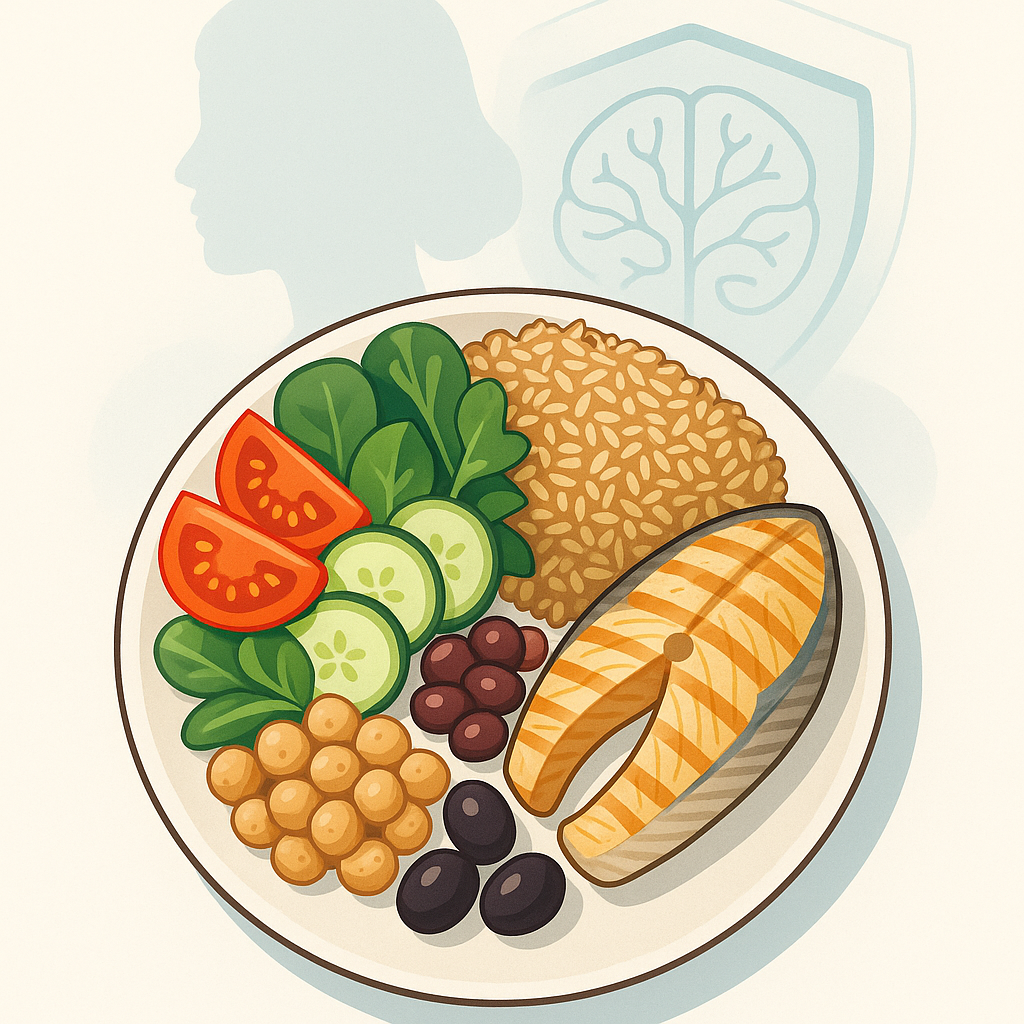
The Mediterranean diet is not a strict rulebook; it’s more like a flexible template inspired by the traditional foods eaten in countries bordering the Mediterranean Sea, such as Greece, Italy and parts of Spain. Rather than focusing on calories or complicated restrictions, it emphasises whole, minimally processed foods and balanced meals.

Core features usually include:

  • Plenty of plants: Vegetables, fruits, beans, lentils, chickpeas, peas, and whole grains form the foundation of most meals.
  • Healthy fats: Extra virgin olive oil is used generously for cooking and dressing, with nuts and seeds providing additional beneficial fats.
  • Moderate fish and seafood: Oily fish such as salmon, sardines and mackerel appear regularly, contributing omega-3 fatty acids.
  • Smaller portions of animal products: Poultry, eggs and dairy are eaten in modest amounts, while red meat is more of an occasional food than a daily staple.
  • Limited refined foods: Sugary drinks, sweets, white bread, fast food and heavily processed snacks are kept to a minimum.

Think of your plate as a garden with a modest side of animal protein, rather than a large slab of meat with tiny decorative vegetables.

Why Might This Way of Eating Lower Stroke Risk?

Stroke is closely linked to a range of cardiovascular risk factors, including high blood pressure, elevated LDL (“bad”) cholesterol, chronic inflammation, and poor blood vessel health. The Mediterranean diet appears to positively influence many of these underlying drivers. While no single mechanism can explain all the benefit, several likely contributors stand out.

1. Blood Pressure Support

Abundant vegetables, fruit and legumes provide potassium, magnesium and natural plant compounds that tend to support healthy blood pressure. At the same time, this pattern typically contains less sodium than a diet rich in ready meals, salty snacks and processed meats. Since high blood pressure is a major risk factor for stroke, even modest improvements can make a meaningful difference over many years.

2. Healthier Blood Fats

When olive oil, nuts and seeds displace butter, lard and processed fats, the balance of dietary fat shifts. This generally leads to lower levels of LDL cholesterol and may support higher HDL (“good”) cholesterol. Healthier cholesterol and triglyceride levels help slow the build-up of fatty deposits in blood vessels, which in turn may reduce the chance of a vessel feeding the brain becoming blocked.

3. Reduced Inflammation and Oxidative Stress

Chronic low-grade inflammation and oxidative damage can gradually injure blood vessels. Colourful fruits and vegetables are rich in antioxidants and polyphenols, while extra virgin olive oil and herbs such as rosemary and oregano contain their own protective plant compounds. These substances may help dampen inflammatory processes that contribute to stroke and other cardiovascular problems.

4. Support for Healthy Blood Sugar

Whole grains, beans and lentils release energy more steadily than refined carbohydrates like white bread or sugary snacks. Stable blood sugar levels reduce the strain on insulin and may lower the risk of developing type 2 diabetes – itself a major stroke risk factor. Over time, this steady approach to carbohydrates may help protect blood vessels from damage.

Why Women May See Particular Benefits

The study in question focused on women, and the results suggest that this pattern of eating could be especially valuable for their cardiovascular health. Hormonal shifts during menopause can affect cholesterol, blood pressure and body fat distribution, often nudging women towards higher stroke risk as they age. A Mediterranean-style diet gives the body a steady supply of protective nutrients during this transition.

Additionally, women sometimes receive less aggressive treatment for cardiovascular risk factors or may have their symptoms overlooked. Because of this, dietary changes that quietly enhance vessel health, support a healthy weight and lower blood pressure can become an important part of a prevention strategy.

Simple Ways to Bring Mediterranean Eating Into Everyday Life

Adopting a Mediterranean-style approach does not require a complete overhaul overnight. Small, sustainable adjustments often have the greatest chance of becoming permanent habits. Here are some practical changes to consider:

Build Your Meals Around Plants

  • Start by filling at least half of your plate with vegetables at lunch and dinner – think leafy greens, peppers, courgettes, tomatoes, carrots or roasted root vegetables.
  • Use beans or lentils several times a week in soups, stews, salads or as a side in place of processed meat products.
  • Swap refined grains for wholegrain alternatives, such as brown rice, quinoa, wholemeal pasta or oats.

Choose Healthier Fats

  • Use extra virgin olive oil as your main culinary fat for roasting, sautéing and salad dressings.
  • Include a small handful of unsalted nuts or seeds as a snack or salad topping most days.
  • Reduce reliance on spreads and products high in industrial trans fats or heavily processed oils.

Rebalance Your Protein Sources

  • Plan for oily fish once or twice per week if you eat animal products.
  • Enjoy poultry and eggs in moderate amounts, while viewing red and processed meats as occasional foods rather than daily staples.
  • Experiment with plant-based proteins – such as hummus, bean burgers or lentil bolognese – to further align with the Mediterranean pattern.

Reduce Heavily Processed Foods

  • Keep sweets, pastries and sugary drinks for special occasions instead of everyday consumption.
  • Limit heavily salted convenience foods and processed meats such as sausages, bacon and ham.
  • Read labels where possible and opt for products with fewer artificial additives and a short, recognisable ingredient list.

Beyond the Plate: Lifestyle Factors That Complement the Diet

In areas where the Mediterranean pattern originally developed, the diet is part of a wider lifestyle that also supports cardiovascular health. While the study’s focus was food, other habits can reinforce the diet’s protective effects:

  • Regular physical activity: Walking, gardening, cycling and everyday movement all help maintain healthy blood vessels and blood pressure.
  • Prioritising restorative sleep: Consistent, good-quality sleep supports metabolic health and helps regulate blood pressure and appetite.
  • Managing stress: Simple practices such as mindful breathing, stretching or time in nature can help temper stress, which is linked with elevated stroke risk when chronic.

Putting the Science Into Personal Practice

No single diet can completely eliminate the risk of stroke, and individual needs vary based on genetics, current health conditions and lifestyle. Still, the evidence from long-term research in women offers a clear message: moving your daily meals in a Mediterranean direction is likely to be a positive step for brain and heart health.

If you have existing medical conditions or take prescription medications, it’s wise to discuss significant dietary changes with your healthcare provider or a qualified nutrition professional. They can help you adapt Mediterranean principles to your unique situation – whether that means working around food intolerances, supporting blood sugar balance, or coordinating with any cardiovascular treatments you may be receiving.

Over time, consistent choices build up. By choosing more colourful plants, healthy fats and minimally processed foods, you’re not just nourishing your body today – you may also be investing in a lower risk of stroke and better quality of life in the years ahead.