
No products in the basket.
Diet
How a Low-Fat Vegan Diet May Cut Insulin Needs in Type 1 Diabetes
🎧
Listen to this article
How a Low-Fat Vegan Diet May Cut Insulin Needs in Type 1 Diabetes
For many people living with type 1 diabetes, insulin costs and daily injections are a constant part of life. Emerging research now suggests that what you put on your plate could meaningfully influence how much insulin you actually need.
A Closer Look at the Research
A recent analysis published in BMC Nutrition explored how a strictly plant-based, low-fat way of eating affects insulin requirements in adults with type 1 diabetes. Participants followed a vegan eating pattern that focused on whole plant foods, while not restricting calories or carbohydrate intake.
The outcome was striking: those who adopted the low-fat vegan diet reduced their daily insulin usage by around 28%. In contrast, individuals following a more traditional, portion-controlled eating plan did not see a meaningful shift in how much insulin they required.
What Was Different About the Vegan Approach?
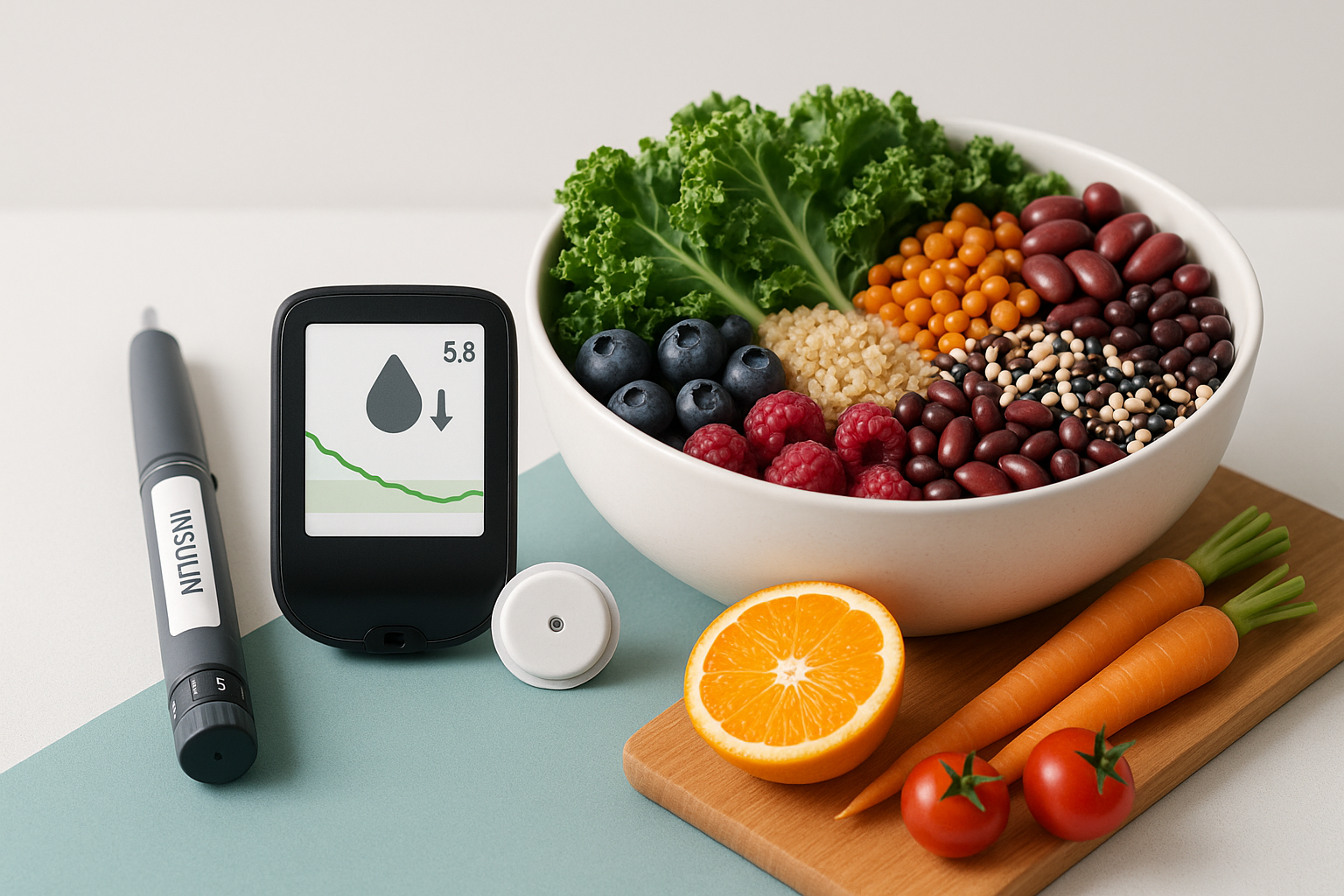
This plant-based strategy was built around foods such as:
- Whole grains like oats, brown rice and quinoa
- Beans, lentils and chickpeas
- Vegetables and fruits in generous amounts
- Small amounts of nuts and seeds, with an emphasis on keeping total fat low
Unlike many diabetes-focused diets, the plan did not call for cutting back on carbohydrate-rich foods or counting every calorie. Instead, the emphasis was on food quality—favouring whole, fibre-rich plants while keeping added oils and high-fat animal products off the menu.
Why Might a Low-Fat Vegan Diet Help?
Although type 1 diabetes is an autoimmune condition, and insulin will always be necessary, how the body responds to that insulin can vary. A low-fat vegan pattern may support better insulin sensitivity through several mechanisms:
- Less dietary fat may help reduce fat accumulation in muscle and liver cells, which is linked with impaired insulin signalling.
- Higher fibre intake from whole grains, legumes and vegetables can slow the absorption of glucose and support more stable blood sugar levels.
- Antioxidants and phytonutrients found in plant foods may help reduce oxidative stress and low-grade inflammation, both of which are associated with poorer metabolic health.
Think of it as improving the body’s “lock and key” system. Insulin is the key that opens the cell’s door to glucose. When cells are coated in excess fat and inflammation, the lock becomes stiff. A low-fat, plant-focused eating pattern may help the lock turn more smoothly, so the same amount of insulin does a better job.
How This Differs from Portion-Controlled Diets
The comparison group in the study followed a portion-controlled plan, a common recommendation for weight and blood sugar management. While portion control can help with overall calorie intake, it does not necessarily address what those calories are made of.
In this analysis, simply eating less of the same types of foods did not significantly affect insulin needs. By contrast, substantially changing the composition of the diet—shifting from mixed or animal-based meals to low-fat plant foods—appeared to have a much larger impact.
Practical Takeaways for People with Type 1 Diabetes
If you are considering a low-fat vegan approach, especially with type 1 diabetes, it is essential to proceed carefully and with professional guidance. Insulin doses often need to be adjusted when dietary patterns change, and this should be done in partnership with your healthcare team.
Some practical steps that people discuss with their clinicians include:
- Gradually increasing whole grains, beans and vegetables while monitoring blood glucose closely.
- Reducing high-fat animal products and processed foods, particularly those rich in saturated fats.
- Working with a dietitian experienced in both plant-based nutrition and diabetes management to avoid nutrient gaps (for example, vitamin B12, iodine or omega-3 fats).
- Using continuous glucose monitoring or frequent finger-stick testing to track how meals are affecting insulin needs in real time.
Cost and Quality of Life Considerations
Insulin can be expensive, and a nearly 30% reduction in daily use, as observed in this research, could translate into notable savings over time. Beyond the financial aspect, needing less insulin—while maintaining good blood sugar control—can feel empowering and may reduce the day-to-day burden of diabetes management.
It is important to remember that this does not eliminate the need for insulin in type 1 diabetes. However, the findings suggest that dietary choices may offer a valuable lever for improving how efficiently your body uses the insulin you do take.
Limitations and What We Still Need to Learn
Like any single analysis, these results should be viewed as part of a growing body of evidence rather than a final answer. Factors to keep in mind include:
- The number of participants and length of follow-up may limit how broadly we can generalise the results.
- Individual responses to dietary change can vary widely.
- Long-term sustainability and adherence to a strict low-fat vegan diet can be challenging for some people.
More large-scale, long-duration trials will help clarify how best to use plant-based strategies alongside modern insulin therapies and technologies.
Considering a Plant-Focused Path
For those living with type 1 diabetes, nutrition is not a cure, but it can be a powerful tool. The evidence from this BMC Nutrition analysis suggests that a thoughtfully planned, low-fat vegan diet may significantly reduce insulin requirements without demanding strict calorie or carbohydrate restriction.
If you are curious about this approach, discuss it with your diabetes care team. With careful monitoring and support, shifting towards more whole plant foods could become a meaningful part of your overall strategy for managing type 1 diabetes and supporting long-term health.
