
No products in the basket.
Diet
Reviving Thinning Hair with a Traditional Chinese Root
🎧
Listen to this article
Listen to this article
Reviving Thinning Hair with a Traditional Chinese Root
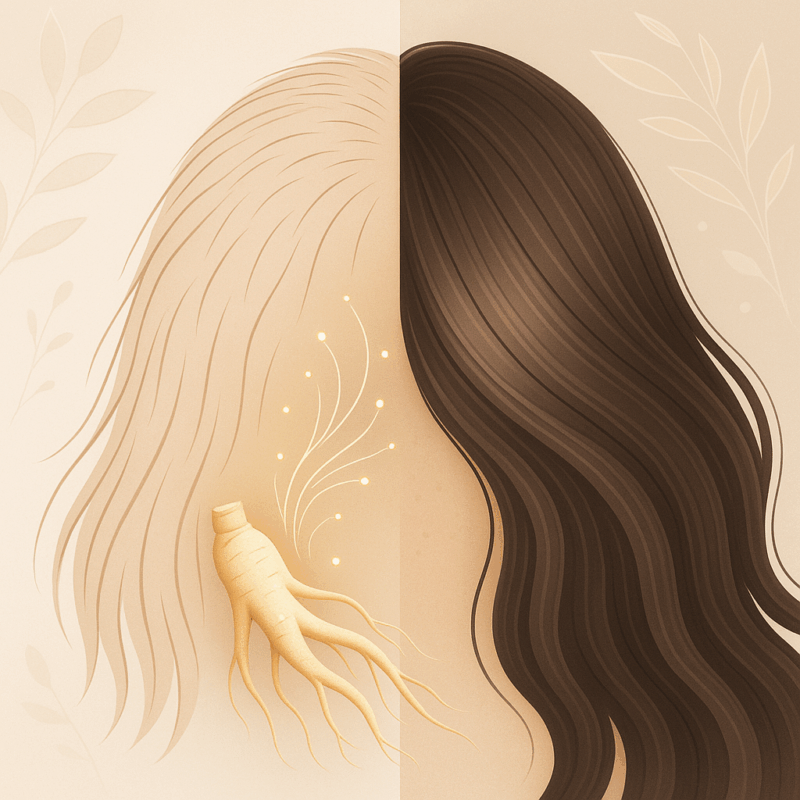
For generations, traditional Chinese herbalists have turned to a particular root when hair began to thin, grey, or lose its vitality. Today, modern researchers are taking a closer look at this time-honoured remedy to understand why it has been so highly valued for hair and scalp health.
Meet Polygonum multiflorum: A Classic TCM Hair Tonic
Polygonum multiflorum, known in Chinese as He Shou Wu, is a climbing plant whose prepared root has long been used in Traditional Chinese Medicine (TCM). Historically, it has been associated with nourishing the liver and kidneys, supporting essence (Jing), and helping maintain youthful-looking hair.
While tradition describes it in energetic and constitutional terms, modern investigations are beginning to map those ancient ideas onto measurable physiological actions that may explain its reputation for encouraging fuller, stronger hair.
Possible Ways This Root Supports Hair Growth
Early scientific studies suggest that Polygonum multiflorum may influence hair health through several complementary mechanisms. Rather than acting in just one isolated way, it appears to support the scalp and follicles on multiple levels.
1. Modulating Hormones Linked to Follicle Shrinkage
Many people experiencing pattern hair thinning are familiar with the hormone derivative DHT (dihydrotestosterone), which can gradually miniaturise hair follicles in genetically susceptible individuals. Lab and animal studies indicate that compounds within Polygonum multiflorum may help regulate pathways involved in this hormone-driven process, potentially easing one of the pressures that cause strands to become finer over time.
2. Shielding Hair Follicles from Oxidative Stress
Hair follicles are active, metabolically demanding structures, and that activity makes them vulnerable to oxidative stress. Over time, excess free radical damage may undermine follicle function and contribute to weak, brittle hair. Polygonum multiflorum contains natural antioxidant constituents that may help neutralise some of this oxidative load, offering a degree of protection to delicate follicle tissues.
3. Encouraging the Hair Cycle’s Growth Phase
Hair does not grow continuously; instead, each follicle cycles through growth (anagen), transition, and resting phases. Imbalances in this cycle can lead to increased shedding or slower regrowth. Experimental work suggests that extracts of Polygonum multiflorum may help maintain or prolong the growth phase for certain follicles, supporting a higher proportion of active, growing hairs at any given time.
4. Supporting Circulation to the Scalp
Healthy follicles depend on a steady supply of oxygen and nutrients delivered through tiny blood vessels in the scalp. Some research points to Polygonum multiflorum’s potential to support microcirculation, which may, in turn, help nourish the hair root environment. Think of it like tending the soil around a plant—better circulation can provide the raw materials needed for stronger, thicker strands.
Traditional Wisdom Meets Modern Curiosity
In TCM, Polygonum multiflorum is rarely used in isolation; it is usually part of carefully balanced herbal formulas tailored to the individual. This holistic context is important. While science can isolate individual compounds and mechanisms, traditional systems look at the person as a whole—constitution, lifestyle, stress levels, digestion, and more.
From a naturopathic perspective, the emerging research around Polygonum multiflorum aligns with a broader view of hair health: supporting hormone balance, defending against oxidative stress, nourishing the scalp, and promoting circulation are all key themes for maintaining resilient hair over the long term.
Practical Considerations and Cautions
Although Polygonum multiflorum is a traditional remedy, that does not automatically make it suitable for everyone or safe at any dose. There have been reports of liver-related side effects, particularly with high intake or improperly processed products. Quality, preparation method, and individual sensitivity all matter.
- Work with a qualified practitioner: Especially if you have underlying health conditions, take medications, or have a history of liver issues.
- Choose reputable sources: Look for brands that prioritise purity, correct processing, and batch testing.
- Think holistically: Diet, stress management, sleep, and general nutrient status all influence hair health; herbs work best alongside these foundations.
Looking Ahead: An Old Herb in New Research
Polygonum multiflorum offers an intriguing example of how ancient remedies can inspire modern investigations into natural hair support. While more robust human clinical trials are still needed, early findings suggest this traditional root may influence several biological pathways that collectively encourage healthier hair growth.
For those exploring natural approaches to thinning hair, Polygonum multiflorum is a noteworthy herb to discuss with a healthcare professional trained in both herbal medicine and conventional safety standards. As research continues to evolve, this longstanding TCM favourite may find an increasingly clear place in evidence-informed, holistic hair care strategies.
