
Diet
The Surprising Benefits of Chilled Potatoes for Glycemic Health
Listen to this article
Written by: the Naturesupplies team.
Last updated: October 2023
Understanding the Glycemic Index
The glycemic index (GI) is a measure of how quickly foods cause increases in blood glucose levels. Foods with a high GI are rapidly digested, leading to spikes in blood sugar, while low GI foods are digested more slowly, leading to gradual increases in blood sugar and insulin levels. Potatoes, when cooked and consumed warm, typically have a high glycemic index, but this can be altered by cooling them.
The Science Behind Cooling Potatoes
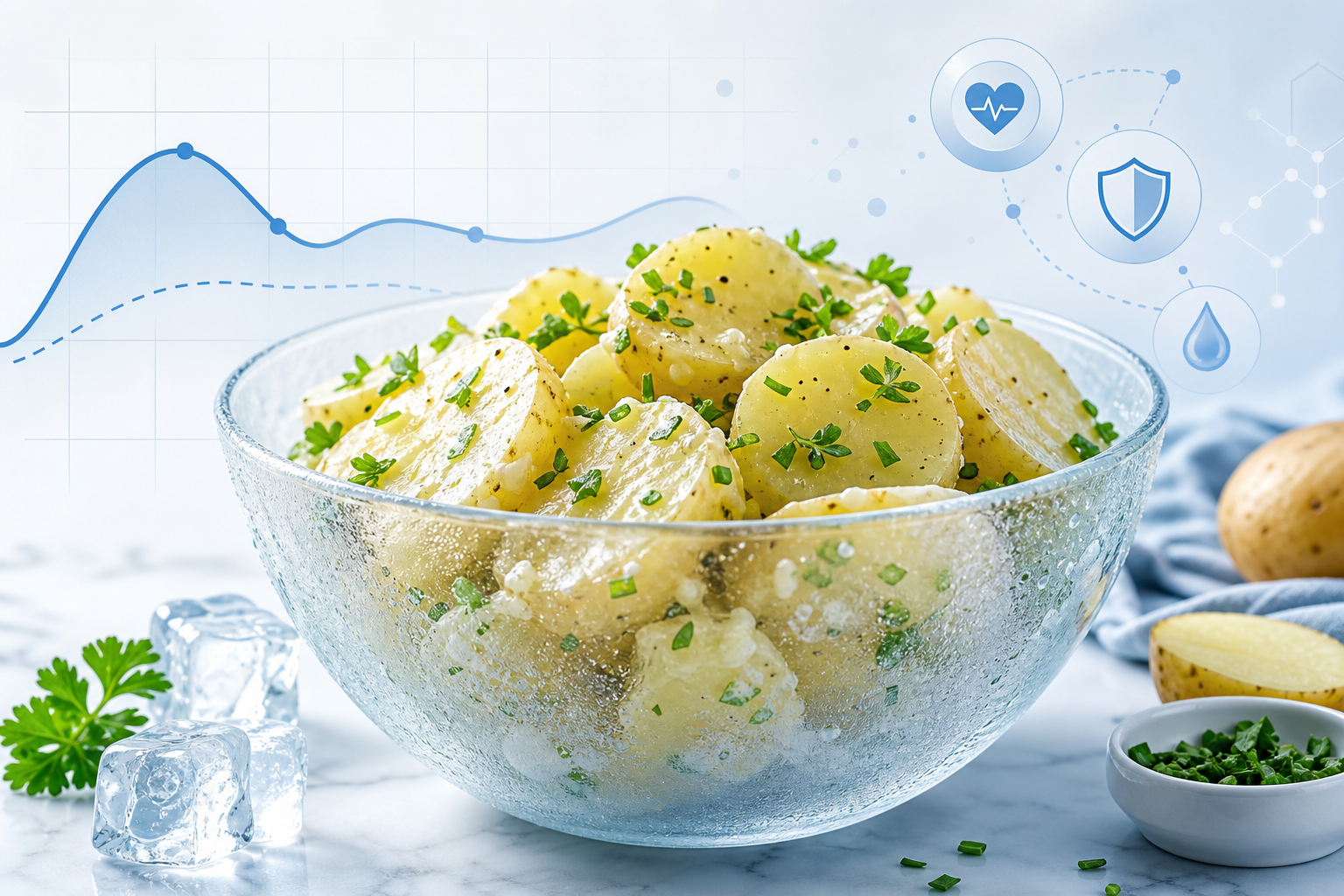
When potatoes are cooked and then cooled, a process occurs that changes the structure of their starches. During cooling, some of the starches become a type known as resistant starch. Resistant starch acts similarly to fiber and resists digestion, resulting in a lower glycemic response. This process can reduce the glycemic impact of potatoes by nearly 40%.
Resistant Starch: Nature’s Blood Sugar Regulator
Resistant starch is a form of carbohydrate that doesn’t break down into glucose in the small intestine. Instead, it ferments in the large intestine, promoting gut health and reducing the blood sugar response. Cooking and then cooling foods like potatoes enhances their resistant starch content, offering potential benefits for weight management and diabetes care.
Chilled Potatoes vs. Warm Potatoes
| Factor | Chilled Potatoes | Warm Potatoes |
|---|---|---|
| Glycemic Index | Lower | Higher |
| Resistant Starch | Increased | Minimal |
| Digestive Health | Beneficial | Standard |
Benefits of Cooling Potatoes
Incorporating cooled potatoes into your diet can have several health benefits:
- Improved blood sugar control, especially beneficial for those with insulin resistance or diabetes.
- Enhanced feeling of fullness, potentially aiding in weight loss efforts.
- Better gut health due to increased fermentation and the production of short-chain fatty acids.
Potatoes vs. Other Carbohydrates
When considering other carbohydrate sources, cooled potatoes offer advantages over options like white bread or rice, which maintain higher GI levels even when cooled. For example, while rice can be a healthier option when cooled, bread does not experience the same level of resistant starch increase.
| Carbohydrate | Cooled Benefit | Warm Impact |
|---|---|---|
| Potatoes | Lower GI | Higher GI |
| Rice | Moderate GI Reduction | Standard GI |
| Bread | Minimal Benefit | High GI |
Pros and Cons of Chilled Potatoes
Like any dietary choice, chilled potatoes come with their own set of benefits and drawbacks.
- Pros: Lower glycemic index, increased resistant starch, improved gut health.
- Cons: May require more preparation time, changes in texture and taste.
Implementing Cooled Potatoes in Your Diet
To include cooled potatoes in your meals, consider adding a potato salad with a vinaigrette dressing or using cooled cubed potatoes in a stir-fry. These can be prepared in advance and stored in the refrigerator for a convenient, nutritious meal option.
Frequently Asked Questions
How long should potatoes be cooled to maximize resistant starch?
Cooling potatoes for at least 12 hours in the fridge can significantly increase their resistant starch content.
Can other foods also benefit from cooling?
Yes, foods like rice and pasta can also experience increased resistant starch levels when cooled.
Do cooled potatoes taste different?
Cooled potatoes may have a firmer texture and slightly different taste, which some people enjoy in salads or other recipes.
Is the benefit of resistant starch lost upon reheating?
Reheating can reduce the amount of resistant starch, so it’s best to consume them cold or slightly warm.
Are there any risks associated with eating cooled potatoes?
Generally, there are no risks, but those with certain digestive issues should consult a healthcare provider.
